If you need a first aid certificate in Jandakot for job, volunteer responsibilities, or comfort, you desire a clear course that obtains you educated, analyzed, and back to your life without shocks. This short article goes through practical alternatives, sensible timelines, prices to anticipate, what the training covers, and exactly how to select a supplier in the Jandakot area. I define procedures I have actually seen companies and participants make use of successfully, and flag common pitfalls so you can make a certain decision.
Why getting accredited in Jandakot matters First aid skills are subject to spoiling but quickly beneficial. A properly carried out CPR or a suitable response to an asthma strike adjustments results, not probabilities. Neighborhood work environments, neighborhood groups, and several licences anticipate a nationally recognised certificate, not just an online badge. For Perth locals, Jandakot uses numerous close-by training alternatives, frequently with flexible scheduling for change workers and weekend break learners.
Which qualification do you need Australian companies typically accept the country wide identified system HLTAID011 Provide first aid. For CPR on its own several courses concern HLTAID009 Give CPR. If your duty especially calls for both, seek a course that issues HLTAID011 and HLTAID009 together or that bundles first aid and CPR training. Some sectors request refresher CPR extra often, so check job specs or Safe Job demands before you book.
A practical timeline Anticipate to spend a half day to a full day in face-to-face training for initial certification, generally in between 4 and 8 hours. The typical arrangement I see is a 1-day course of regarding 6 hours that integrates first aid and CPR. If you already hold a current certificate and just require a CPR refresher course, a 2 to 3 hour course frequently is sufficient. Providers in some cases divided that into early morning and afternoon sessions; others run compressed night programs across two nights for shift workers.
Typical prices and what influences price Rates in and around Jandakot vary with class dimension, the instructor's credentials, and whether the session is in-house or public. Anticipate the adhering to ballpark figures, which mirror several service providers I have actually compared:
- 1-day first aid course including CPR: AUD 110 to AUD 180 per person CPR-only refresher course: AUD 40 to AUD 60 per person Workplace internal courses for groups: prices per head typically declines once you reach 8 to 10 participants, with a base fee for trainer travel and setup
If a company promotes a very low cost, check whether the evaluation and qualification are included, and whether the course is in person. Online-only courses without a practical evaluation will not meet several company requirements.
Where to train in Jandakot Jandakot is primarily industrial and property borders of Perth, so training options fall into 3 functional classifications: local licensed training organisations and neighborhood universities nearby, company or exclusive first aid suppliers who take a trip to workplaces in Jandakot, and large training centres in central Perth that offer the entire city. Each has trade-offs.
Smaller neighborhood providers Pros: shorter travel, commonly extra versatile days, smaller classes. Disadvantages: limited ability for huge workplace bookings, sometimes less weekend break options.
Large training centres Pros: normal scheduled sessions, clear credentialing and management assistance. Cons: more traveling time, larger classes where hands-on practice can feel hurried if the trainer does not take care of the group.
Workplace or on-site training Pros: convenient organizing for teams, training customized to your workplace risks. Disadvantages: minimal participant numbers and a configuration charge can make this expensive for little groups.
Choosing a supplier: what to search for Beyond rate and area, focus on a few non-negotiables. Initially, the supplier has to be a signed up training organisation or an acknowledged first aid training business that uses across the country approved evaluation tools. Second, fitness instructors need to be current practicing first aid trainers with up-to-date qualifications and clear experience delivering useful evaluations. Third, check course framework: an excellent course mixes short, focused concept sections, hands-on practice with manikins and AEDs, practical situation drills, and a last assessment that checks practical skills as opposed to memorizing answers.
Practical checklist: getting certified quickly in Jandakot
Confirm the exact device you need with your employer or regulator Choose a provider with a set up session within the following two weeks Book online, pay the charge, and request pre-course materials Bring ID and any existing certifications to the course for acknowledgment of prior learning Attend the session, complete the sensible evaluation, and obtain electronic certificateWhat takes place on course day Arrival and administration typically take 10 to 20 minutes. Trainers will certainly check ID, verify enrolment details, and discuss assessment standards. Courses move best when trainers maintain theory concise and centred on recognition and response concepts: key study, individual positioning, CPR method and AED usage, injury management, choking, anaphylaxis treatment including EpiPen usage, and handling cracks and shock.
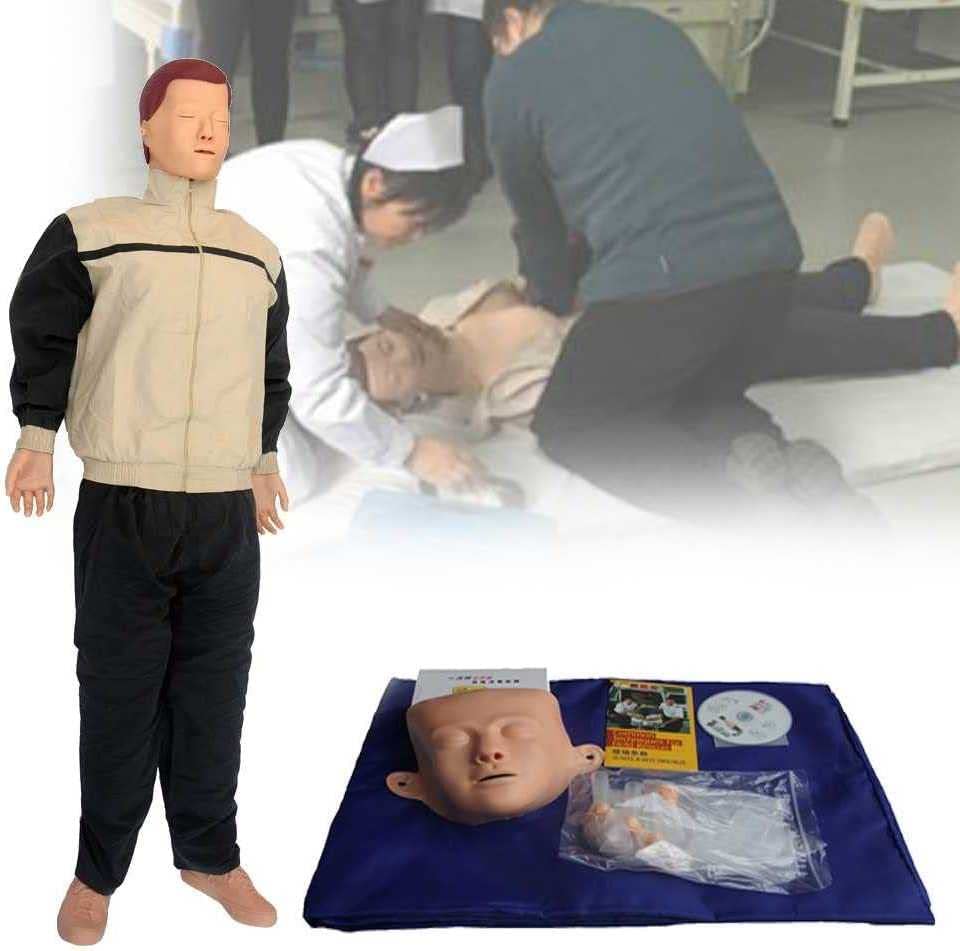
Expect significant hands-on time. For CPR you will invest duplicated mins practicing chest compressions and ventilations on a manikin, with the fitness instructor correcting hand position, compression depth and price. For anaphylaxis you will rehearse administration of an adrenaline autoinjector on a trainer dummy. Trainers should observe each pupil carry out essential skills for evaluation. If the class is also big or the fitness instructor is inattentive, ask before the day concerning optimum student-to-instructor ratios.
Assessment and providing certifications Assessment is expertise based. That implies you should show safe and appropriate efficiency of crucial jobs. Multiple efforts are reasonable if you require training; a great instructor will certainly remediate and re-assess you, not simply fail you. On successful analysis the provider problems a statement of achievement for HLTAID011 or HLTAID009 where pertinent, usually in digital type within a couple of days. You should receive a PDF that lists the unit code, day of problem, and the RTO's information. Employers commonly keep an electronic record, and some companies will certainly post the outcome to nationwide databases.
Refresher guidelines and expiration The majority of companies expect you to keep first aid qualification present. For CPR specifically, advice is often to freshen every 12 months. For the complete first aid certificate HLTAID011 the common employer assumption is every three years for the unit, with CPR revitalized yearly. Note that policies can differ by market, so verify the specific demand that relates to you. If you let your certificate gap past whatever an employer calls for, you typically need to take back the complete course; some RTOs will give a shorter refresher course only if your certificate expired within a particular window.
What to bring and exactly how to prepare
- government-issued image ID, such as a chauffeur licence or passport your existing certificate if you are doing a refresher course or requesting acknowledgment of prior learning comfortable garments for stooping and performing CPR for practice sessions any work environment types if your company is paying or calls for details paperwork
Real-world examples and compromises I remember a little building subcontractor in Jandakot that arranged an on-site course for 8 workers. They wanted one of the most affordable option, so they picked the trainer with the lowest per-person rate. The fitness instructor turned up with one manikin for 8 participants. The course satisfied the letter of the demand, however numerous workers left nervous regarding their functional capability. The subcontractor later on reserved a second session at a bigger training centre with smaller sized groups. The preliminary cost savings proved false economic climate. That experience underscores an usual compromise: more affordable courses are fine for documentation, yet if you desire confidence under stress select a provider that prioritises hands-on practice also if the cost is higher.
Another typical situation entails change employees in Jandakot. A FIFO worker required a certificate urgently to start an on-site role. They discovered an evening course that split the material right into two short sessions across successive nights, which enabled participation without taking whole times off. The course was slightly costlier, yet useful for someone that can not afford long lost wages.
Special instances and office dangers Not every first aid need coincides. If you function around chemicals, heavy equipment, or in exterior settings where rescue and long waits for paramedics are feasible, connect that to the carrier when scheduling. Trainers can adapt scenarios to cover burns with chemical direct exposure, crush injuries, or extended casualty care. For child care or aged treatment functions, select a course that consists of paediatric first aid skills; some service providers offer HLTAID012 or tailored paediatric parts that are not covered in typical adult-focused first aid. If your office requires work first aid levels or innovative resuscitation training, you might require various accredited devices past HLTAID011.
How employers manage bookings and credential checks Smaller sized companies typically repay course fees if the training satisfies their requirements. Lots of larger companies preserve chosen company checklists and organize team bookings on-site. It is good practice for staff to submit certificates to HR as a PDF and to maintain the initial electronic certificate secure. Some offices do routine audits and expect electronic documents. If you are a professional, maintain your certificate on your phone and email a copy to clients when requested.
Common mistakes to avoid
- accepting online-only courses that do not have a monitored practical evaluation, if your company requires an across the country identified face-to-face certificate assuming all first aid certificates have the same expiry guidelines, as opposed to checking particular task or regulator standards choosing the least expensive class without verifying trainer-to-student ratios and the quantity of sensible time scheduled failing to bring ID or an existing certificate, which can postpone assessment or stop acknowledgment of prior learning
Booking pointers to speed certification Book a well-known supplier with constant public sessions so you can get involved in the next readily available course. If you require accreditation within days, call companies directly instead of counting on web kinds; teachers occasionally hold emergency situation ports for urgent clients. For teams of 5 or more, ask about on-site training and demand a company quote that consists of traveling costs. If your company will certainly pay, guarantee they have the RTO invoicing information before the session to stay clear of management delays in receiving the certificate.
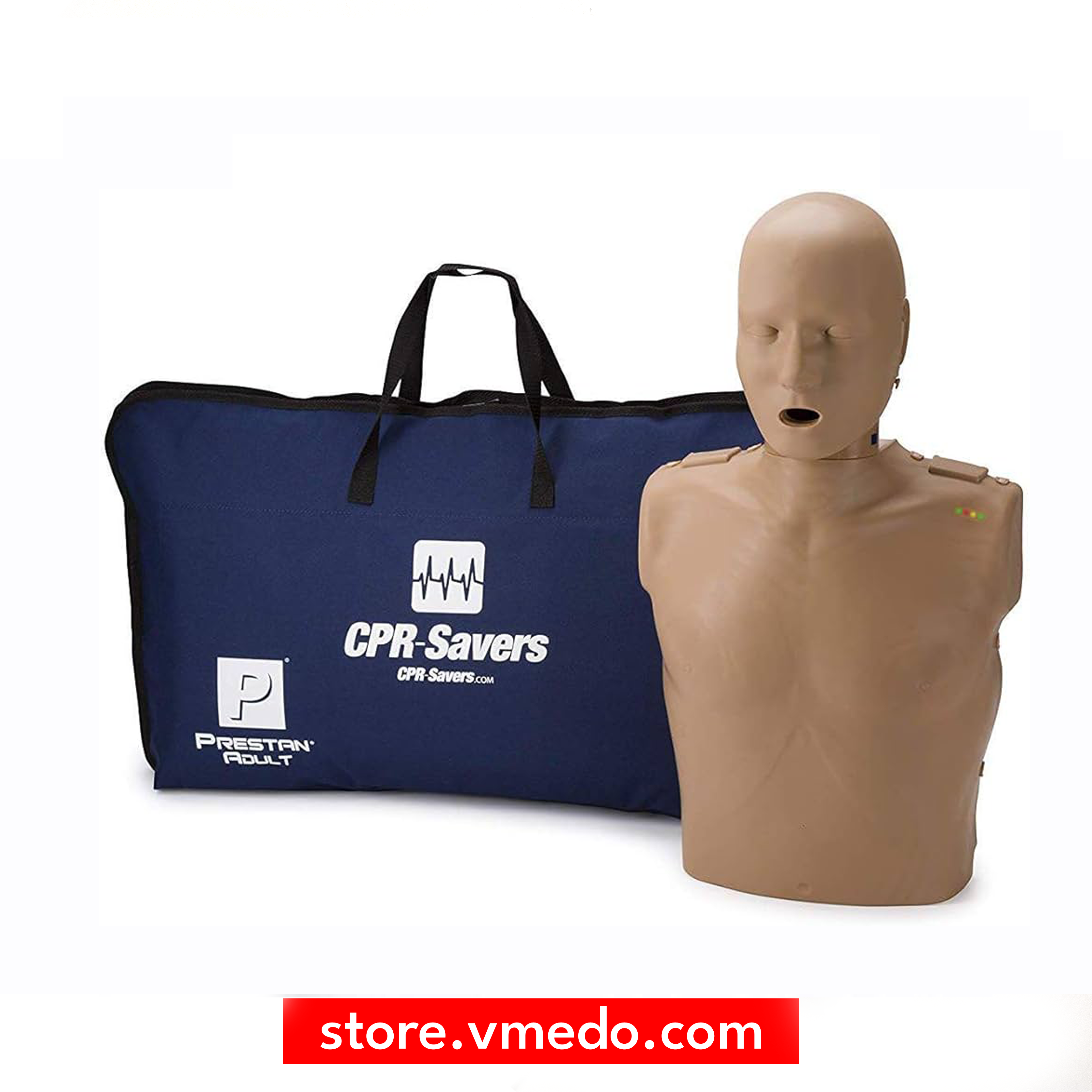
After the course: keeping skills sharp Ability degeneration is actual. Practise compressions on a manikin when you can, or a minimum of rehearse the sequence mentally: inspect responsiveness, send for help, open airway, check breathing, start CPR, use AED. Neighborhood community teams and workplace safety and security groups sometimes run short practice sessions or refresher courses; these deserve attending to keep muscular tissue memory undamaged. Bring a simple pocket overview or download an official first aid application authorized by a relied on supplier as a recommendation between formal refreshers.

Where to check qualifications Ensure the training organisation is legit by asking for their RTO number and verifying it against the nationwide register at training.gov.au. Fitness instructors must have the ability to reveal present teacher qualifications and have the ability to describe assessment standards. If a supplier offers uncommon insurance claims, such as life time qualification without ongoing evaluation, deal with that as a red flag.
Final decisions: exactly how to pick for Jandakot If rate is the main goal and you simply need a certificate for induction, select the closest respectable provider with a public course in the following week and clear up that the certificate fulfills your company's unit demands. If self-confidence and sensible proficiency matter more, prioritize smaller courses and explicit hands-on technique time, also if that pushes the session out by a few days. For groups and offices, consider the minimal price of on-site training against lost production time when personnel travel to city centres.
Quick recap of alternatives The easiest route to qualification in Jandakot is to choose a one-day HLTAID011 course with HLTAID009 consisted of, participate in a nearby public session, and get your electronic statement of accomplishment within a couple of days. If you require CPR only, pick a qualified first aid training jandakot HLTAID009 refresher, typically two to three hours long. For workplace-specific hazards or paediatric needs, tell the supplier ahead of time so they customize scenarios and assessments.
If you entrust nothing else, remember 3 useful activities: check which device code your employer calls for, validate the session consists of a monitored functional analysis, and insist on adequate hands-on time during the course. Those steps track with both work environment compliance and real-world preparedness, and they make the difference between a certificate that sits in a documents and abilities you can rely upon when it matters.