Introduction
In the world of emergency situation medical services, keeping composure during a crisis is not just a skill; it's a crucial quality that can imply the difference between life and death. Basic Life Support (BLS) responders frequently locate themselves in high-pressure situations where fast thinking and calmness are essential. This post explores efficient strategies for BLS responders to maintain their composure while executing their duties, especially when faced with important cases calling for instant action.
Maintaining Composure During a Situation: Tips for BLS Responders
Understanding the Value of Composure
When confronted with emergencies, the capability to remain calm allows responders to make sensible decisions quickly. Panic or tension can shadow judgment and decrease responses, which might bring about devastating results in serious scenarios.
The Duty of Training in Building Composure
One basic means to foster composure is through rigorous training. Routine simulation workouts permit responders to practice their skills under stress, resembling real-life emergencies. This hands-on experience can considerably boost self-confidence degrees when real situations arise.
Basic vs Advanced Life Assistance: An Essential Distinction
Understanding the differences between fundamental and innovative life assistance can assist responders understand when to apply certain strategies. While BLS focuses on foundational abilities such as mouth-to-mouth resuscitation and AED usage, advanced life support includes extra intricate interventions like drug administration and invasive procedures.
Recognizing Your Range of Practice
It's crucial for BLS suppliers to understand their restrictions. Standing up to need to tip over one's head's training aids preserve focus and calmness during demanding situations.
Checking Responsiveness: The Primary Step in Assessment
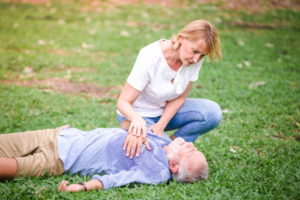
When reaching a scene, one of the very first actions is inspecting responsiveness. This includes delicately drinking the casualty while asking if they are okay. A less competent individual calls for prompt focus and can be suffering from problems such as cardiac arrest or stroke.
Techniques for Efficient Responsiveness Checks
Shaking delicately: Use a company yet mild approach. Clear verbal triggers: Ask straight questions. Observe physical signs: Look for signs of breathing or movement.Identifying No Breathing: A Vital Skill
Identifying whether a casualty is breathing is crucial in BLS reaction. If there's no breathing spotted, initiating CPR immediately is essential.
How to Inspect Casualty's Breathing
- Look: Observe if the upper body increases and falls. Listen: Position your ear close to their mouth. Feel: Look for breath against your cheek.
Utilizing Medical facility Codes and Protocols
Familiarity with health center codes and protocols can streamline interaction during emergencies. These codes aid make certain that all team members get on the very same page concerning patient standing and required interventions.
Importance of Communication
Effective communication lowers confusion among employee, enabling them to do their duties effectively without second-guessing each other in high-stress environments.
Public Defibrillator Use: When Every 2nd Counts
Public accessibility defibrillators (PADs) have become important devices in conserving lives throughout heart events. Understanding just how to use these tools can considerably boost survival rates.
Steps for Using a Public Defibrillator:
Turn on the device: Comply with voice prompts. Attach pads: Guarantee appropriate placement on bare skin. Follow instructions: Allow the device to evaluate heart rhythm before providing shocks if necessary.Taking Switches on Compressions: A Group Effort
When performing CPR, taking turns on compressions helps prevent exhaustion among rescuers, ensuring continual blood flow until specialist help arrives.
Guidelines for Reliable Compression Teams:
- Rotate every 2 minutes: To preserve optimum compression quality. Communicate clearly: Introduce when it's time to change roles. Stay focused: Maintain concentration high throughout rotations.
Slow Compression Rate vs Lower Compression Depth
While it's CPR Training Wollongong - firstaidpro.com.au necessary to keep a correct compression price (100-120 compressions per min), over-exertion can cause reduced compression depth, which lessens effectiveness.

Finding Balance
Responders should focus on constant rhythm instead of rate alone while ensuring compressions reach adequate deepness (a minimum of 2 inches).
Additional Strategies for Maintaining Composure
Mindfulness Techniques Throughout Emergencies
Practicing mindfulness strategies-- such as deep breathing-- can lower anxiety levels significantly prior to and during an emergency action situation.
Simple Mindfulness Practices:
Deep Breathing Workouts: Breathe in deeply with your nose; exhale gradually with your mouth. Visualization Methods: Picture on your own efficiently managing the scenario at hand.Debriefing After Crises
Post-event debriefings give responders a possibility to review their efficiency and emotion throughout an incident, allowing them room for personal growth and improvement.
Key Factors for Efficient Debriefings:
- Discuss sensations honestly: Share emotional responses without judgement. Analyze what functioned well or badly: Identify staminas and locations requiring improvement.
FAQs Concerning Keeping Calmness Throughout a Crisis
What must I do initially when I get to a scene?
The primary step is inspecting responsiveness followed by evaluating breathing standing before beginning any type of interventions like CPR if needed.
How do I manage my emotions during demanding situations?
Practicing mindfulness methods such as deep-breathing exercises prior to responding can assist you manage stress and anxiety efficiently during emergencies.
Why is teamwork essential in BLS?
Teamwork promotes much better control amongst rescuers, guaranteeing tasks are carried out efficiently without confusion or miscommunication under pressure.
What are medical facility codes?
Hospital codes refer to standardized messages utilized within healthcare setups that connect urgent circumstances promptly among team member without causing panic amongst clients or visitors.
Are public defibrillators secure to use?
Yes! Public defibrillators are developed with safety functions that lead customers through each step of procedure; they just deliver shocks when required based on heart rhythm analysis.
How commonly needs to rescuers rotate during CPR?
Rescuers should intend to take turns every two mins; this assists maintain top quality compressions without taking the chance of fatigue affecting performance over time.
Conclusion
In conclusion, preserving calmness during a situation is extremely important for BLS -responders tasked with making fast decisions that save lives daily. By comprehending key skills-- such as examining responsiveness, identifying no breathing-- and implementing efficient interaction strategies via established methods like hospital codes or public defibrillator usage; -responders can succeed also under enormous stress. With continuous training focused on building mental durability along with technical expertise; we empower ourselves not only as lifesavers however likewise as individuals capable of dealing with difficulties with dignity among mayhem-- eventually leading us towards successful emergency situation results again and again again!
This thorough short article extensively covers various elements of maintaining calmness during situations specifically tailored for Basic Life Support -responders while incorporating essential keyword phrases throughout its framework favorable towards boosting readability together with SEO effectiveness!